DB-X
DB-X is a low-cost, open-source, environmental monitoring buoy I designed, manufacture and sell through my company Seaport Systems.
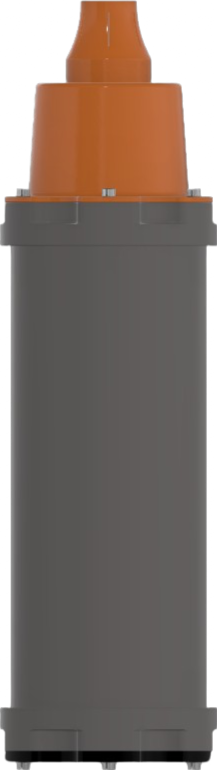
DB-X is a low-cost environmental monitoring buoy that drifts with natural currents, and pings back its position and speed information in real-time over a cellular telemetry link.
Scientists, regulators and coastal communities currently have deployed more than 50 DB-X buoys across New England, and they have helped map wastewater dispersion, reduce shellfish area closures and generate current data needed to model coastal erosion along the South Shore of Massachusetts.
Design
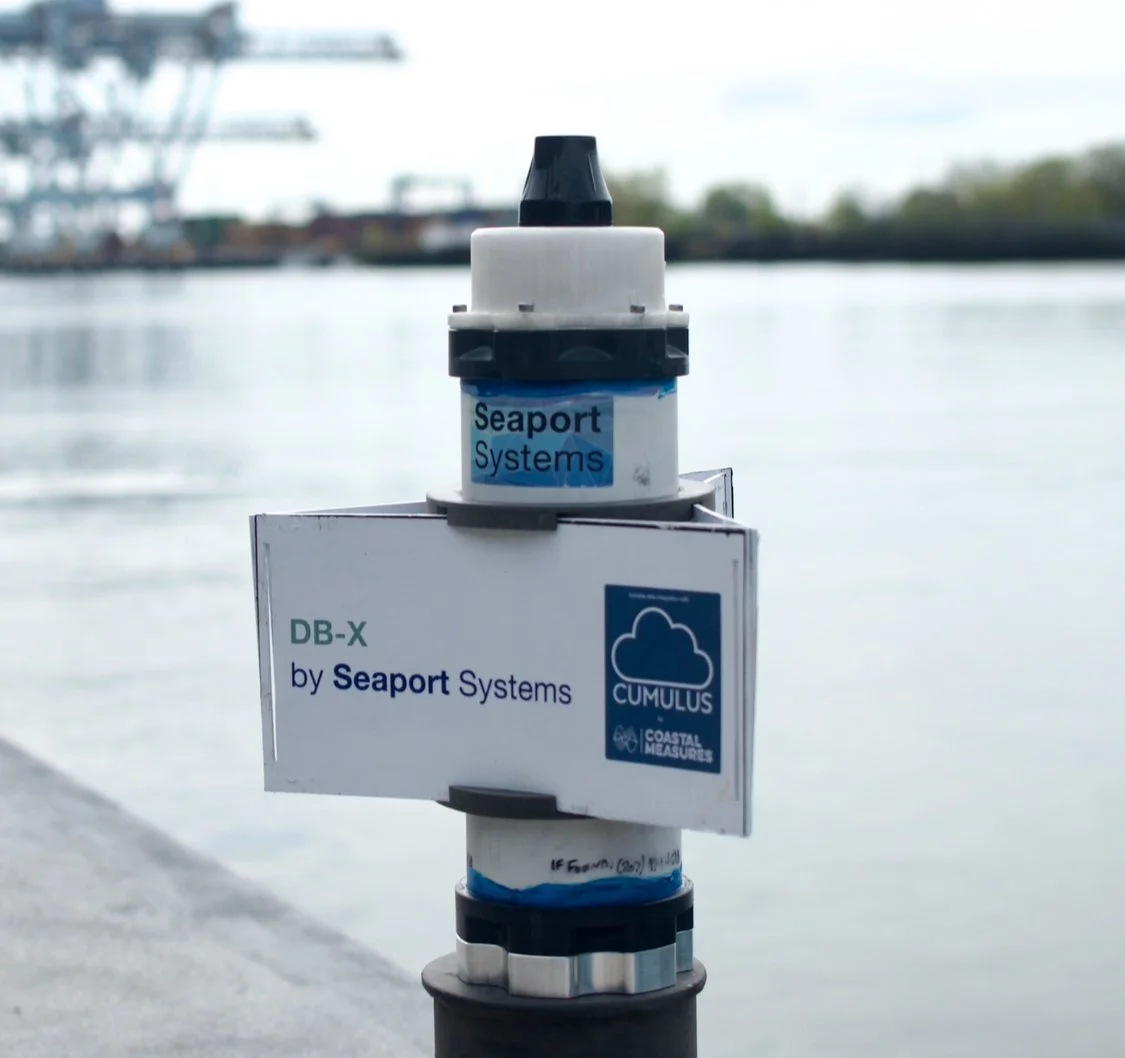
I had 3 major design philosophies driving DB-X design:
Make it as low cost as possible, ideal Bill of Materials sub-$750
Make it easily manufacturable - not just by me, or someone with access to an extensive machine shop, but anyone with access to a makerspace, or basic workshop
Make real-time telemetry as seamless as possible.
Systems Overview
Housing
1
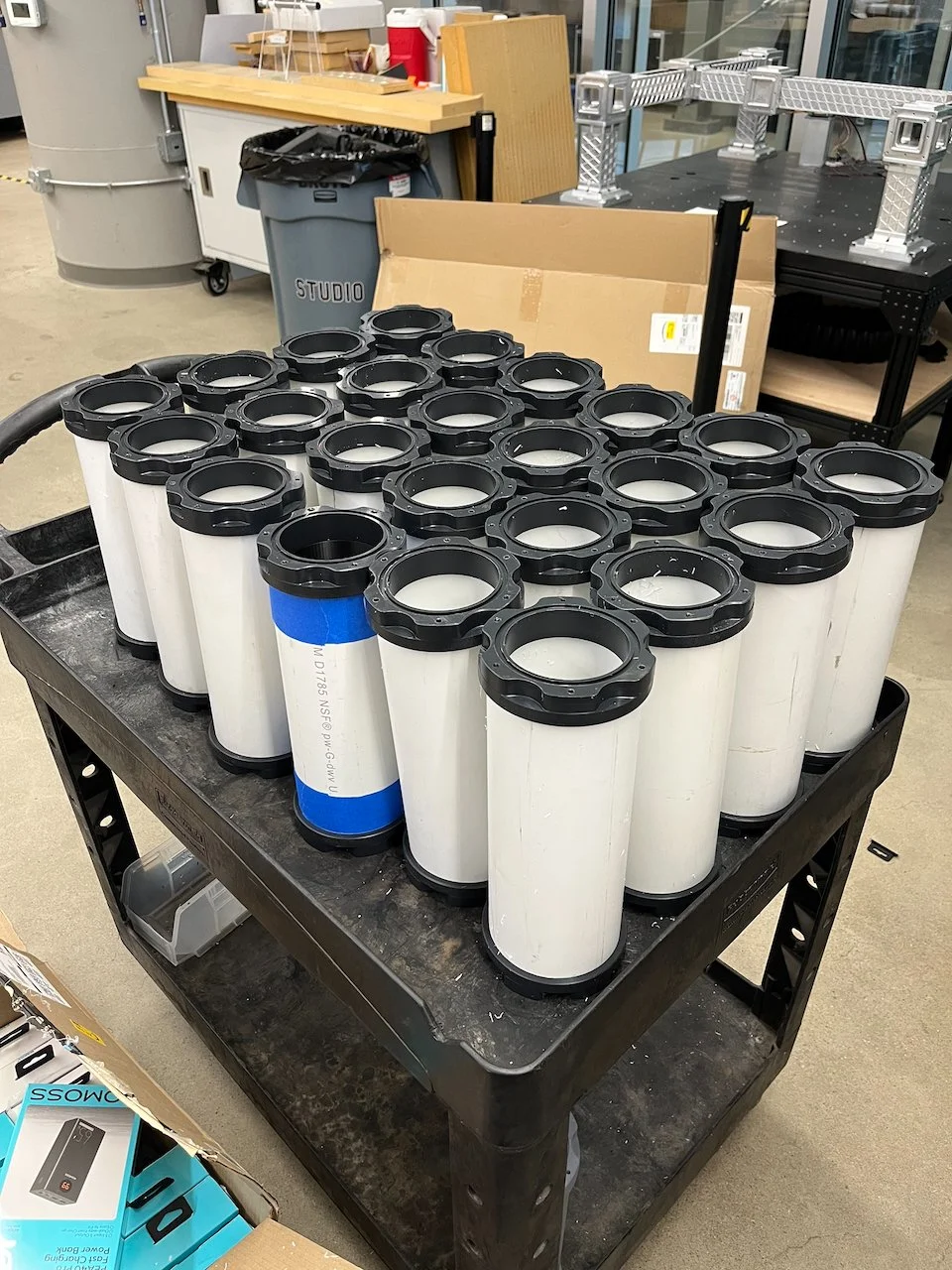

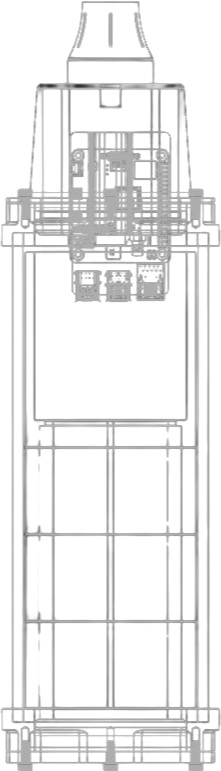
The DB-X is housed in a 4” SCH40 PVC tube, with 3D printed inserts to accommodate the battery and payloads, custom PVC end caps, a ballast weight, and a top-cap.
PVC is cheap and readily available, it’s easy to work with, and you can use solvent to bond PVC components with a robust watertight seal. This is why the end caps are also, milled from PVC
The inserts are 3D printed from PLA plastic. There are 4 inserts in each buoy. 3 inserts are identical, and together make a cavity for the removable battery. The final top insert captures the battery, provides a bulkhead for power connections, and has a large empty void for additional payloads users may want to integrate.
The ballast weight is milled aluminum, which is then powder coated for durability. It’s weight is such that when deployed, only the top cap of the buoy is above the waterline.
Top caps are printed from resin using an SLA process to ensure the parts are watertight. The top cap has a penetration for the cellular and GPS antennas, and a dovetail groove to accept the sled with all the electronics.
Electronics
2
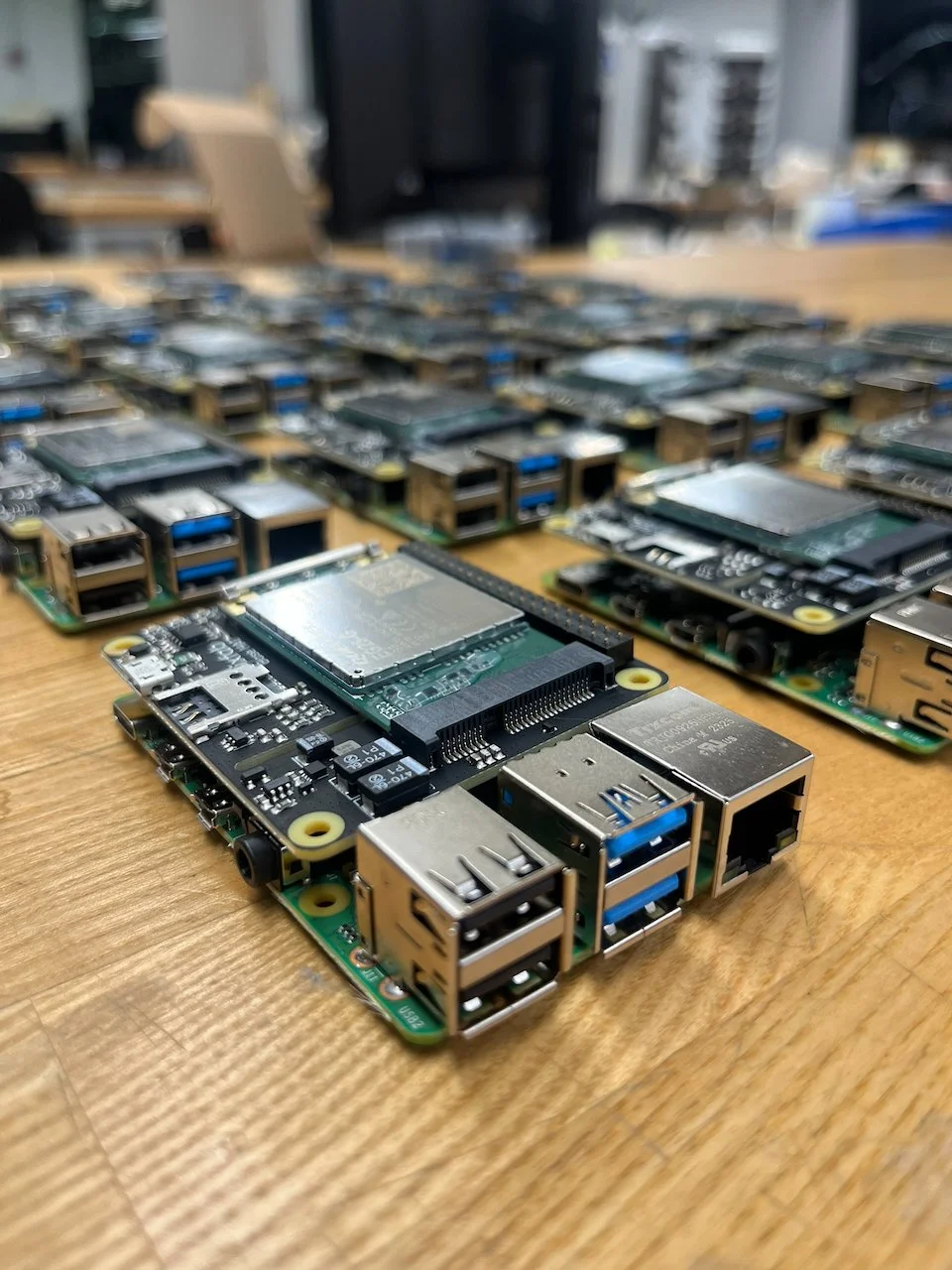
In terms of electronics, DB-X is actually an embarrassingly simple device. Most of the heavy lifting is done by a Raspberry Pi 4 single board computer.
The Pi is coupled with a cellular radio, to enable real-time telemetry.
Everything is powered by an off-the shelf battery bank which has a capacity of 40,000 mAh. This gives DB-X about 3 days of run time, which is more than plenty for any use case seen so far.
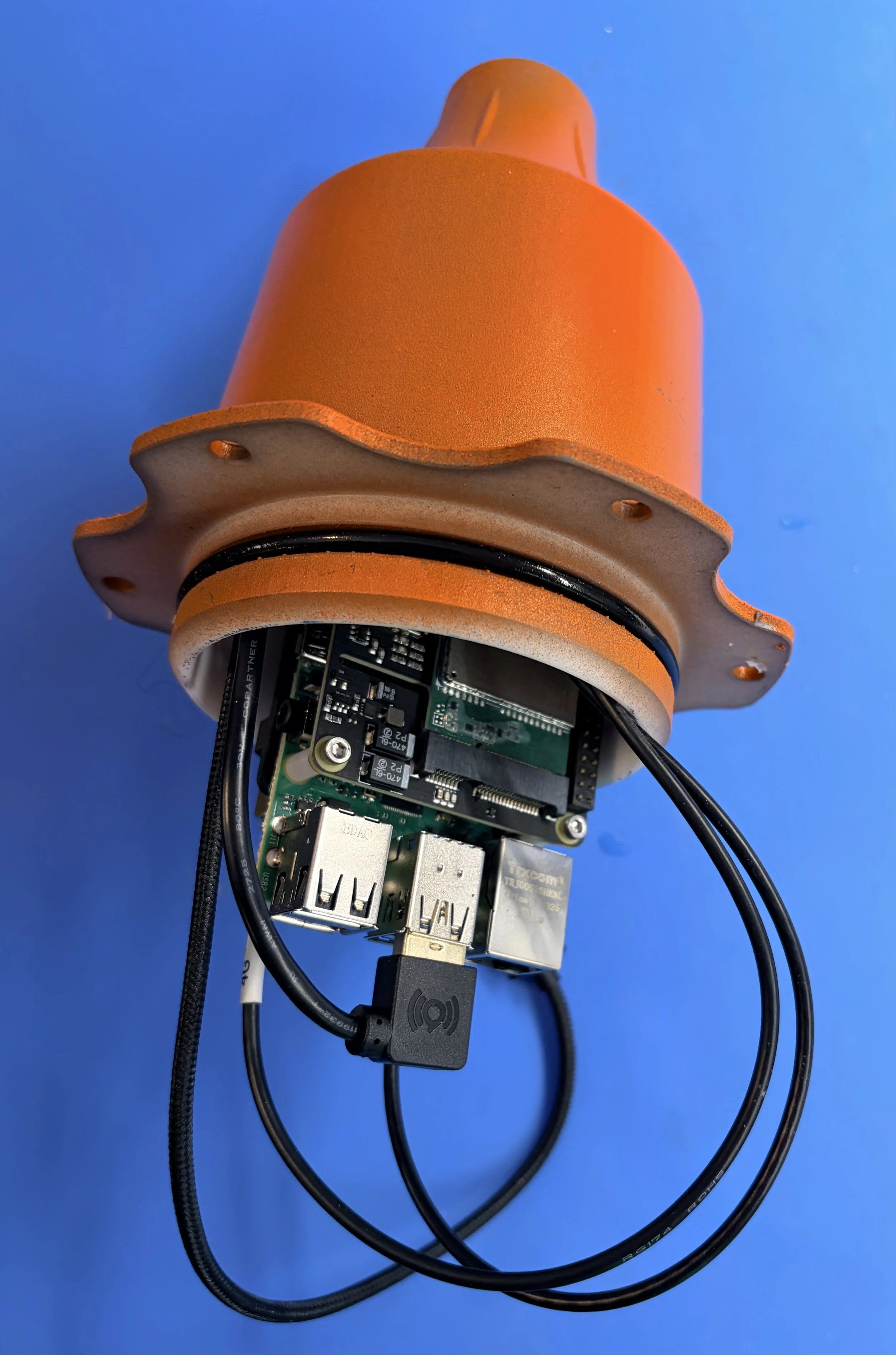
The Pi and cellular radio are mounted to a sled with a dovetail, which slides into a mating groove on the top cap, and the dual 4G/GPS antenna connects to the sled’s SMA bulkhead connectors.
The top cap is one of the parts I’ve iterated on the most, as it started as one of the highest points of friction during assembly, and it’s one of the most accessed parts of the buoy.
The electronics were originally in the body of the buoy itself. Cable management was really bad, and when the user went to take the cap off, they had to carefully undo the SMA connectors. Now, the top cap can easily come off, and the only connection to be undone is the USB to the battery bank, which now is much easier to access.
Software
3
Much like the electronics, the software is also dead simple.
Thanks to the power of the Linux kernel, we can easily utilize Ethernet Control Module (ECM) to interface with the cellular module, and use it like any other Network Interface Card (NIC).
There is a data collection service, managed by systemd. This service connects to the cell modem’s GPS module over UART, saves the position data locally, and also transmits that data over MQTT back to AWS using AWS IoT Core. From there, it’s saved to a database for access and analysis later.
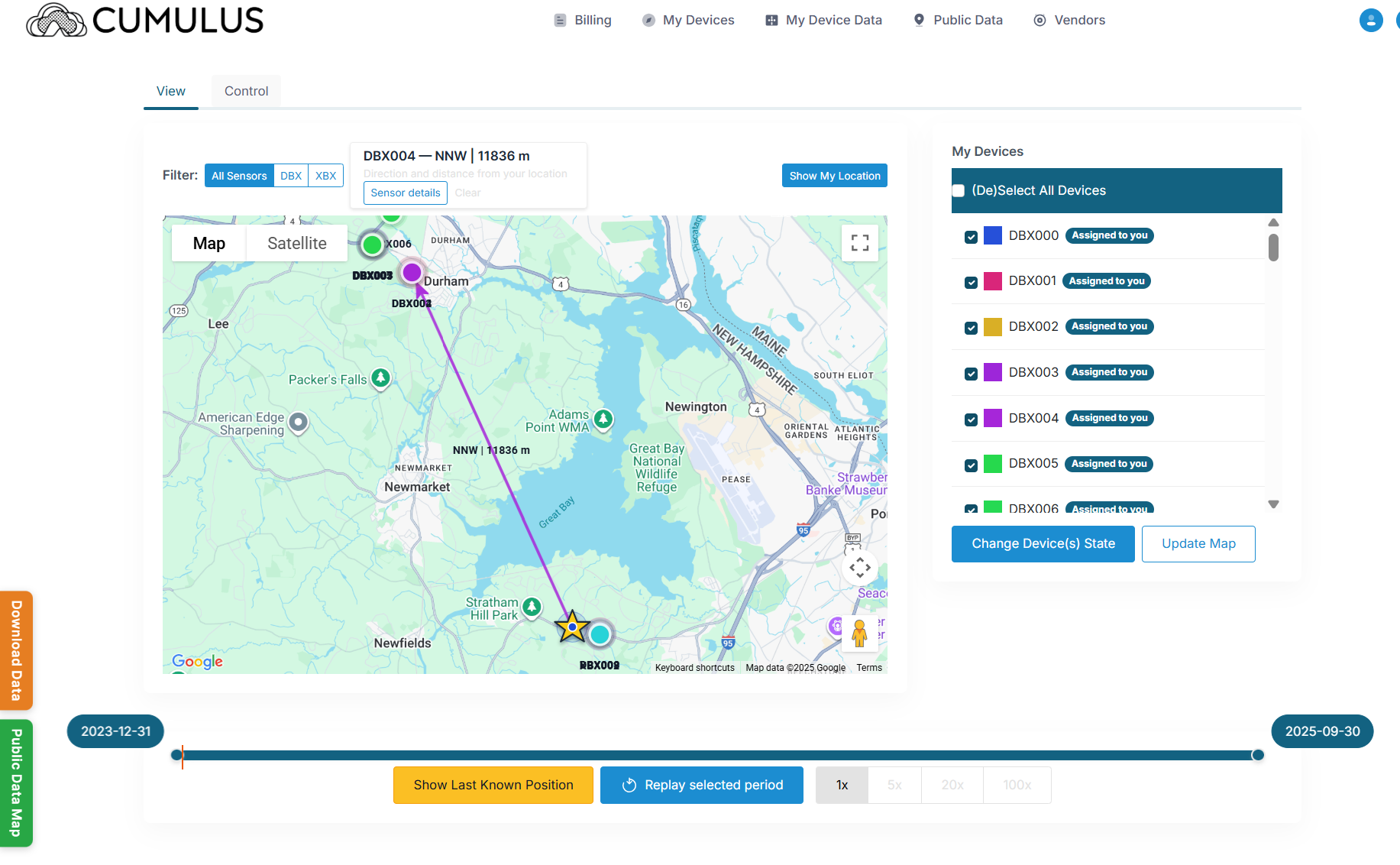
Most customers use CUMLULUS to track their buoys and visualize the data they generate, but I have also built my own solution I use internally. CUMULUS is the platform built by the startup I initially partnered with to create DB-X. The beauty of the software architecture is that all the data is standard and transmitted using the MQTT protocol, meaning anyone can easily route the data wherever they want by standing up their own broker!